

First Aid & Medical
Build from simple blister care and trail essentials up to vehicle, camp, and go-bag medical kits that are easier to trust when something goes wrong. Use this collection to cover the medical side fi...
PREPAREDNESS ESSENTIALS
Start with these essentials first


START HERE
Start with water purification
Water access is the first layer of any readiness kit. Cover your primary filtration before adding tools, food, or shelter.
-
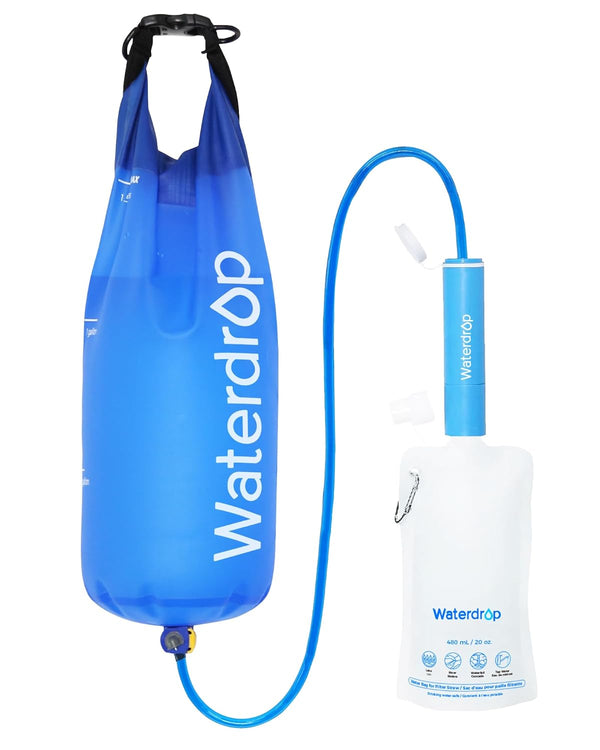
Waterdrop Gravity Water Filter Straw, Camping Water Filtration System, Water Purifier Survival for Travel, Backpacking and Emergency Preparedness, 1.5 Gal Bag, 5 Stage Filtration, Pack of 1
$93.16
-
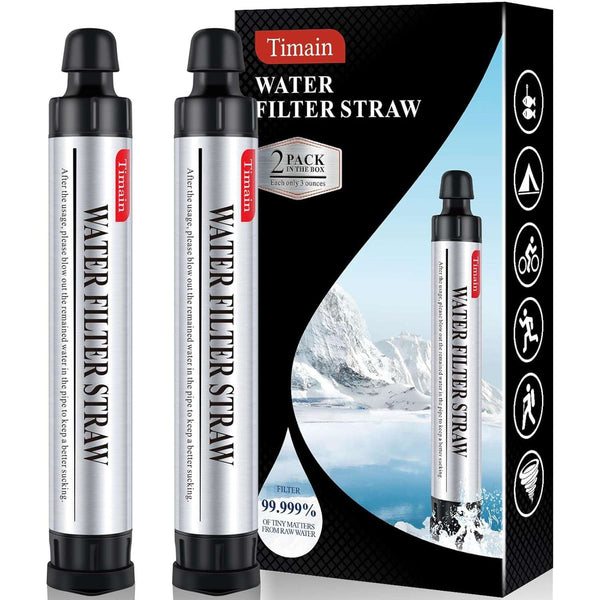
Timain 2 Pack 4-Stage Filtration, High Flow Rate Water Filter Straw, Water Purifier Survival for Emergency Kits, Travel, Camping, Hiking, Fishing, Hunting
$29.77
-
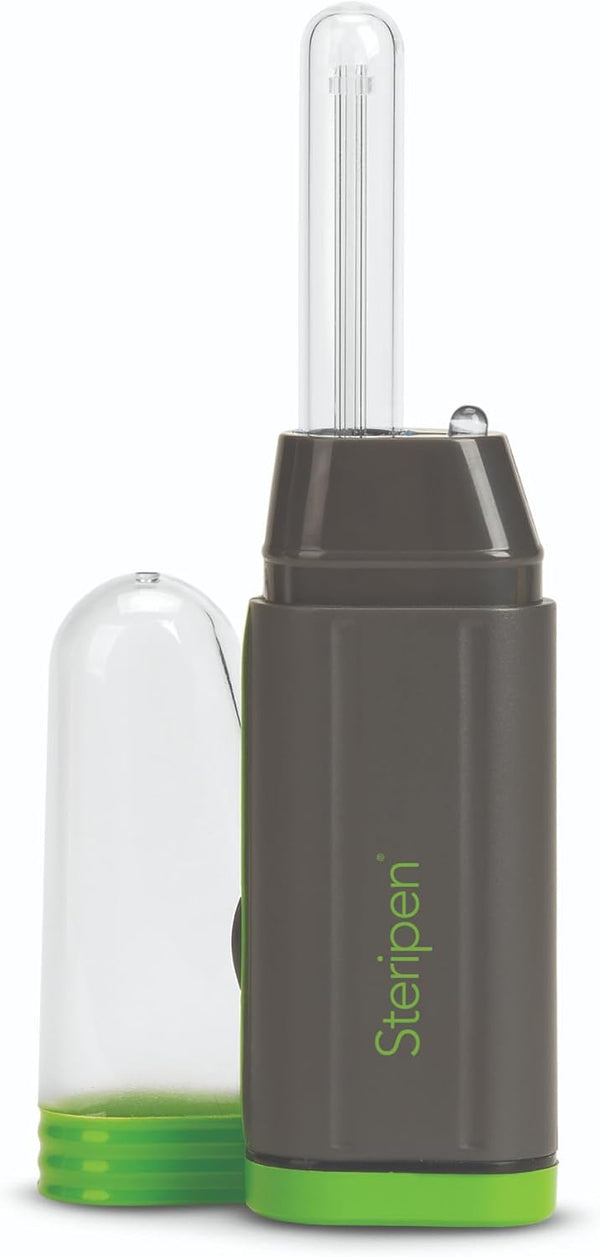
SteriPen Adventurer Opti UV Personal Water Purifier for Camping, Backpacking, Emergency Preparedness and Travel Black/Green Small
$120.70
-
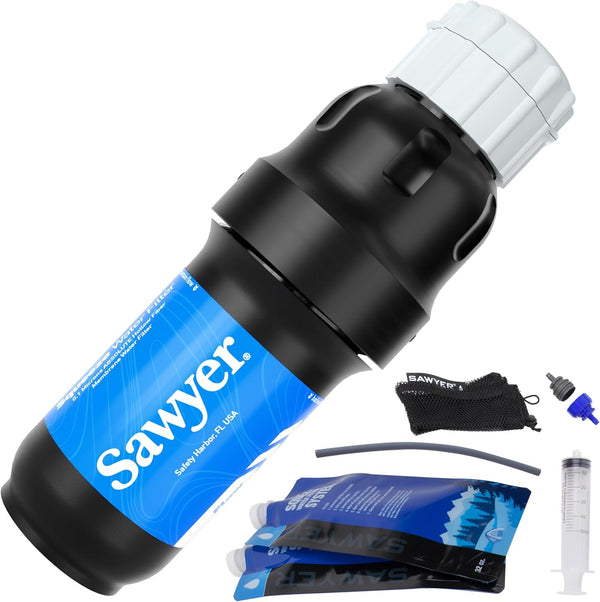
Sawyer Squeeze Water Filtration System — Two 32 oz Squeeze Pouches
$99.99
FULL CATALOG
First Aid & Medical

Adventure Medical SOL Traverse First Aid Kit
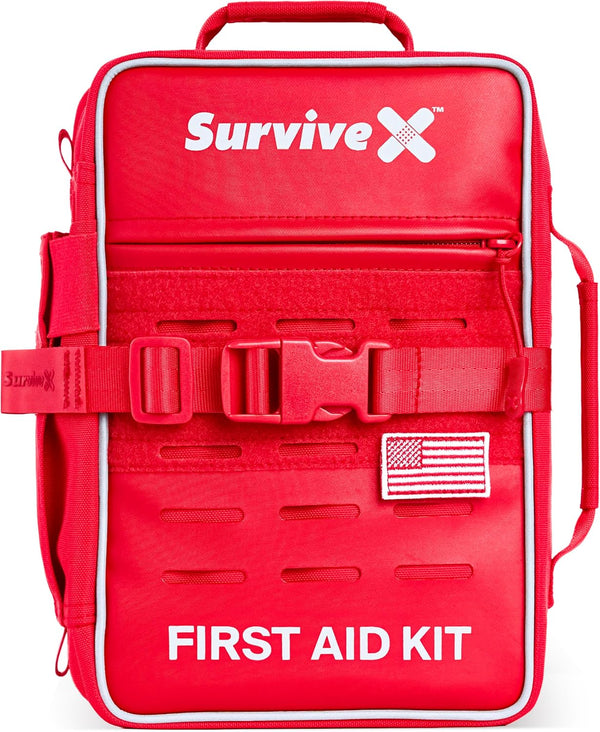
Surviveware Comprehensive Premium First Aid Kit
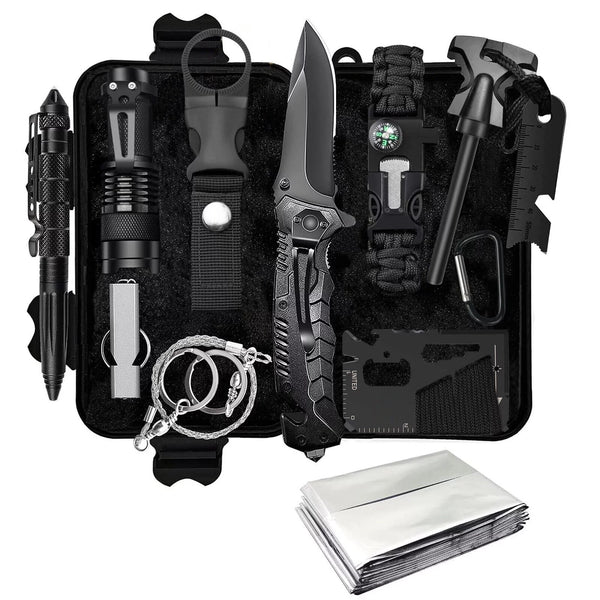
Outdoor Survival Kit - 12-in-1 Multifunction Emergency Equipment SOS and First Aid Gear Pack
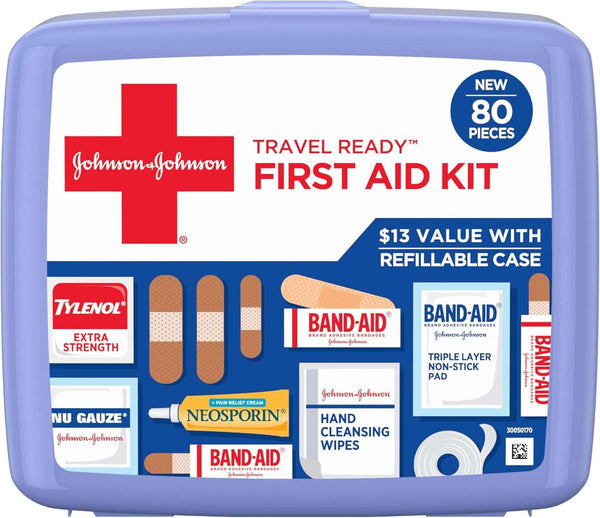
BAND-AID Brand Travel Ready Portable Emergency First Aid Kit for Minor Wound Care, Perfect for Home, Car, Travel, Camping Essentials & Outdoor Emergency Kit, 80 Pieces
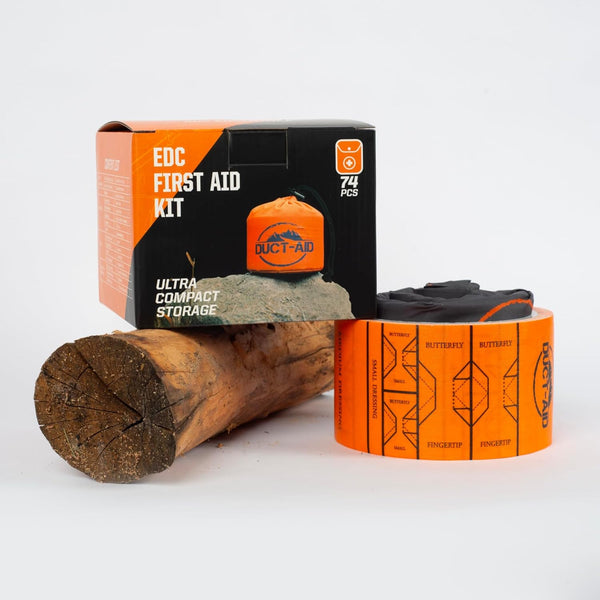
Lifeline First Aid Road Trip Kit — 121-Piece
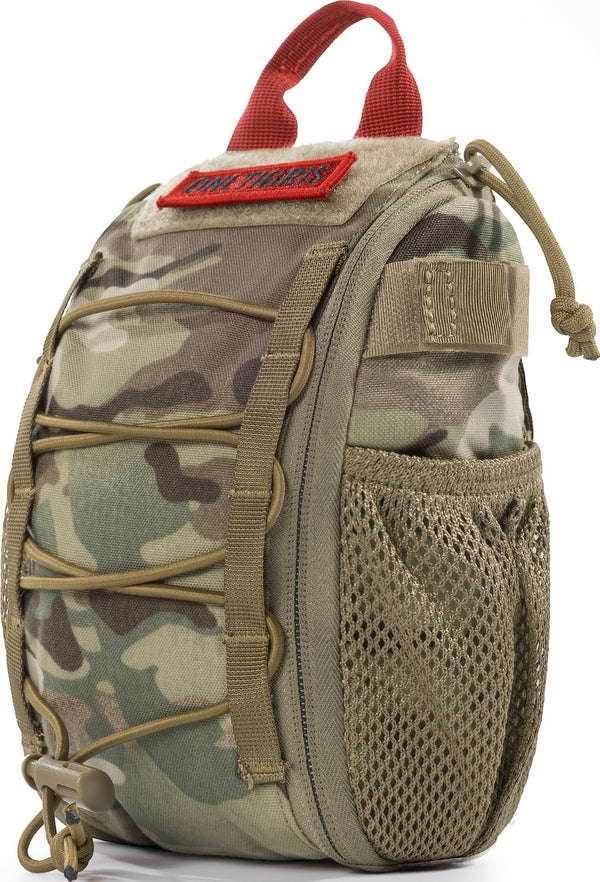
ORCA Tactical MOLLE IFAK Pouch — Empty
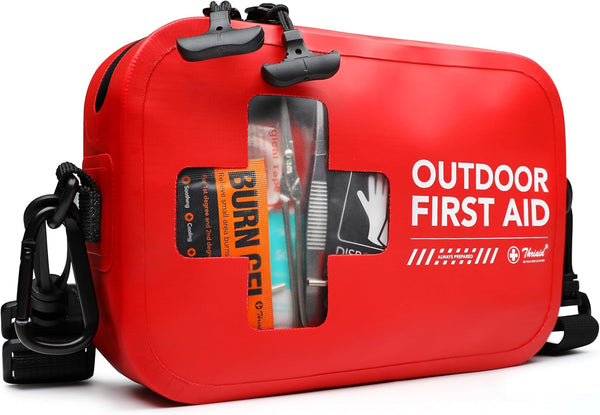
Coghlan's Expedition First Aid Kit — 80-Piece
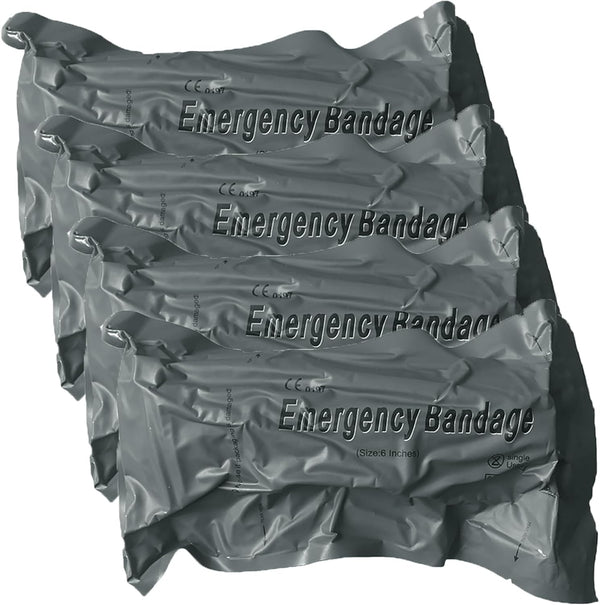
Israeli Bandage Battle Dressing — 4 Inch
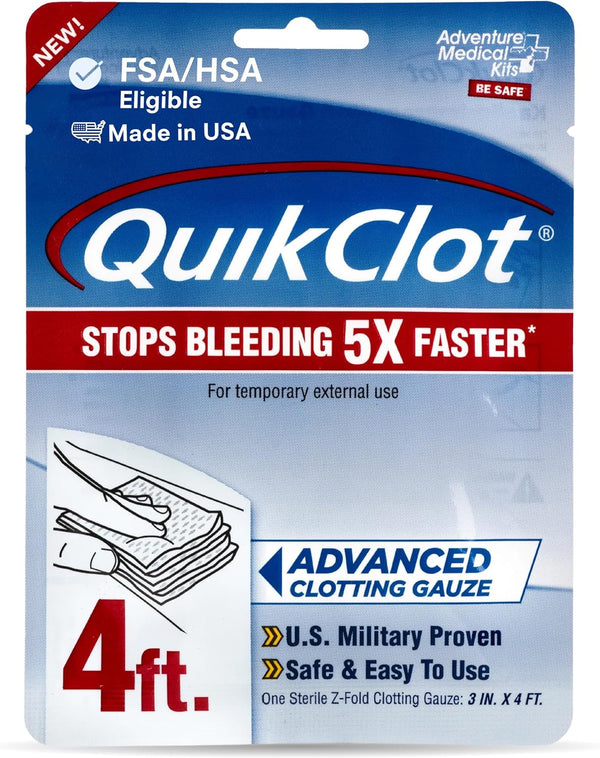
Celox Rapid Hemostatic Gauze
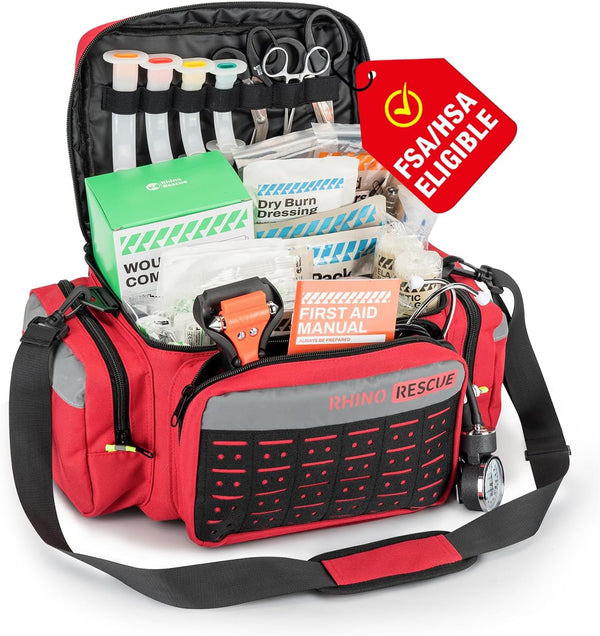
HART Health First Responder Trauma Kit
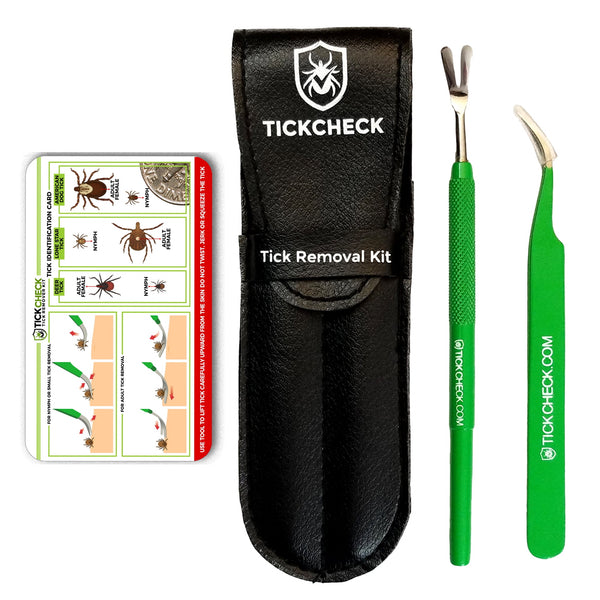
Tick Remover Tool Kit 3-Pack — Safe Tick Removal for Humans, Dogs & Cats with Magnifier Case
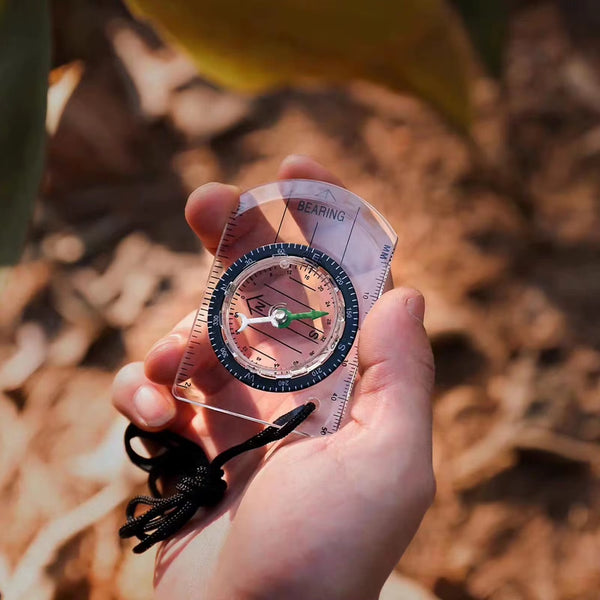
Professional Survival Kit Outdoor Camping Hiking Kit - Emergency Gear Outdoor SOS Wilderness Adventure
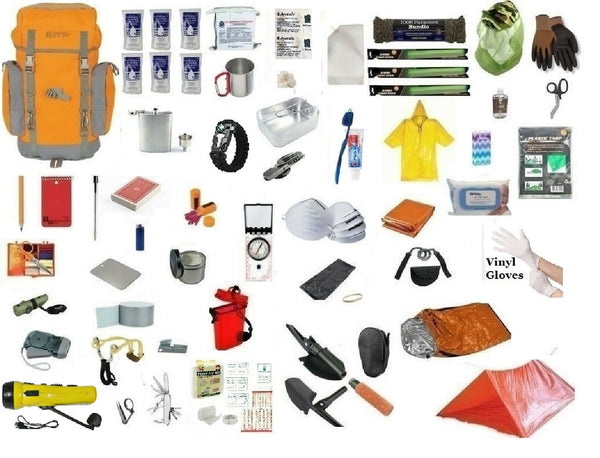
Ultimate Survival Emergency Kit - 72-Hour Preparedness Bundle
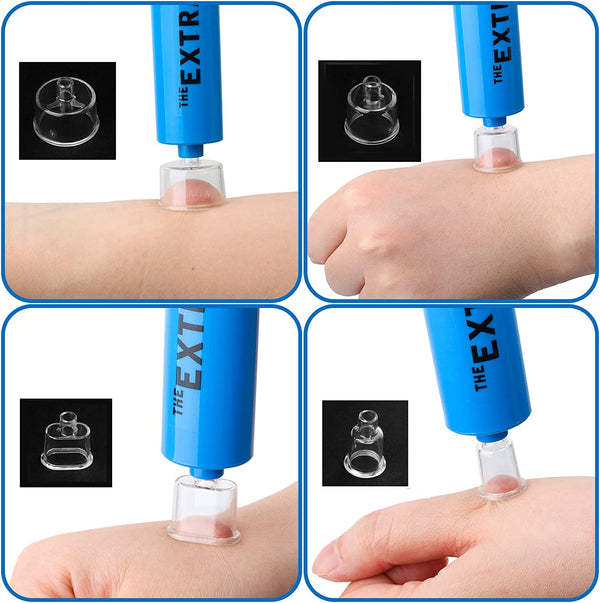
Emergency First Aid Kit with Venom Extractor Suction Pump and CPR Face Shield - Ideal for Hiking, Backpacking, and Camping
Filters
Guided Buying Path
Build your kit from the essentials first
Start with water purification, first aid, bug out bags, and emergency food to cover the core pieces of a dependable readiness setup.
Cover water first
Water access is the single highest-leverage prep. Gravity filter for camp, squeeze filter for carry, purification tablets as backup.
Shop Water Purification →Add a carry platform
A proper pack keeps the kit organized and deployable. Choose based on duration - 24-hour, 72-hour, or extended retreat.
Shop Bug Out Bags →Build the tool layer
A quality multi-tool and fixed blade cover repairs, food prep, and first aid tasks across every scenario.
Shop Multi-Tools →Mission Kit Paths
Build faster with mission-ready paths
72-Hour Readiness Kit Path
Start with water, first aid, food, and a carry platform - core readiness covered in the right order.
Build Readiness Path →Backcountry Filtration Kit Path
From primary filtration into gravity support, bottle carry, and backup treatment for camp and trail.
Build Water System →Common Questions
Frequently asked
What should I buy first for a preparedness kit?
Start with water purification - it's the highest-leverage item. A quality squeeze filter or gravity system covers most scenarios. From there, add a first aid kit, emergency food, and a carry platform.
How much water do I need to store for a 72-hour kit?
Plan for at least one gallon per person per day for drinking and basic sanitation. If space allows, store more and pair it with a reliable filter or purifier for backup.
What is the difference between a filter and a purifier?
Filters remove sediment and many microorganisms, while purifiers are designed to handle a broader range of biological threats. The right choice depends on how and where you expect to use it.
Full Catalog Available
Ready-made survival kit paths
Skip the guesswork - browse pre-built kit sequences organized by mission.